
Tile Installation
Kitchen backsplashes, fireplace surrounds, accent walls, mudrooms, entryways. Tile is one of those materials that can anchor a room visually, and it needs to be set correctly to stay that way for years.
We work with porcelain, ceramic, natural stone, glass mosaic, and encaustic cement tile. Each material behaves differently during installation, and that affects everything from the thinset selection to the layout approach and the grout type we recommend.
(916) 282-7977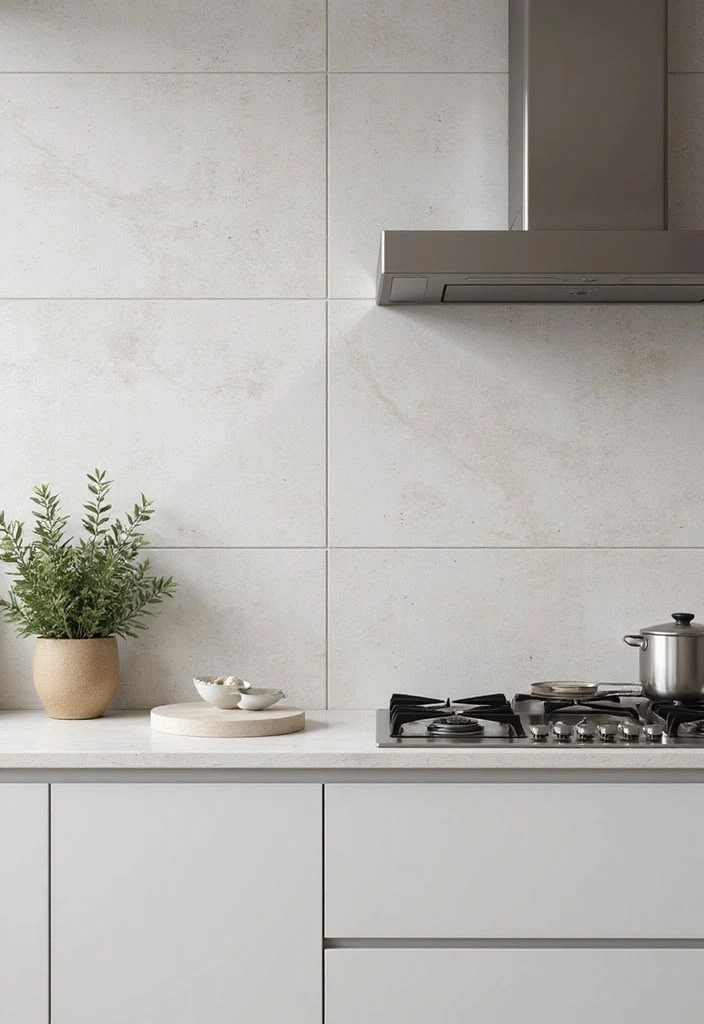
What the Work Actually Involves
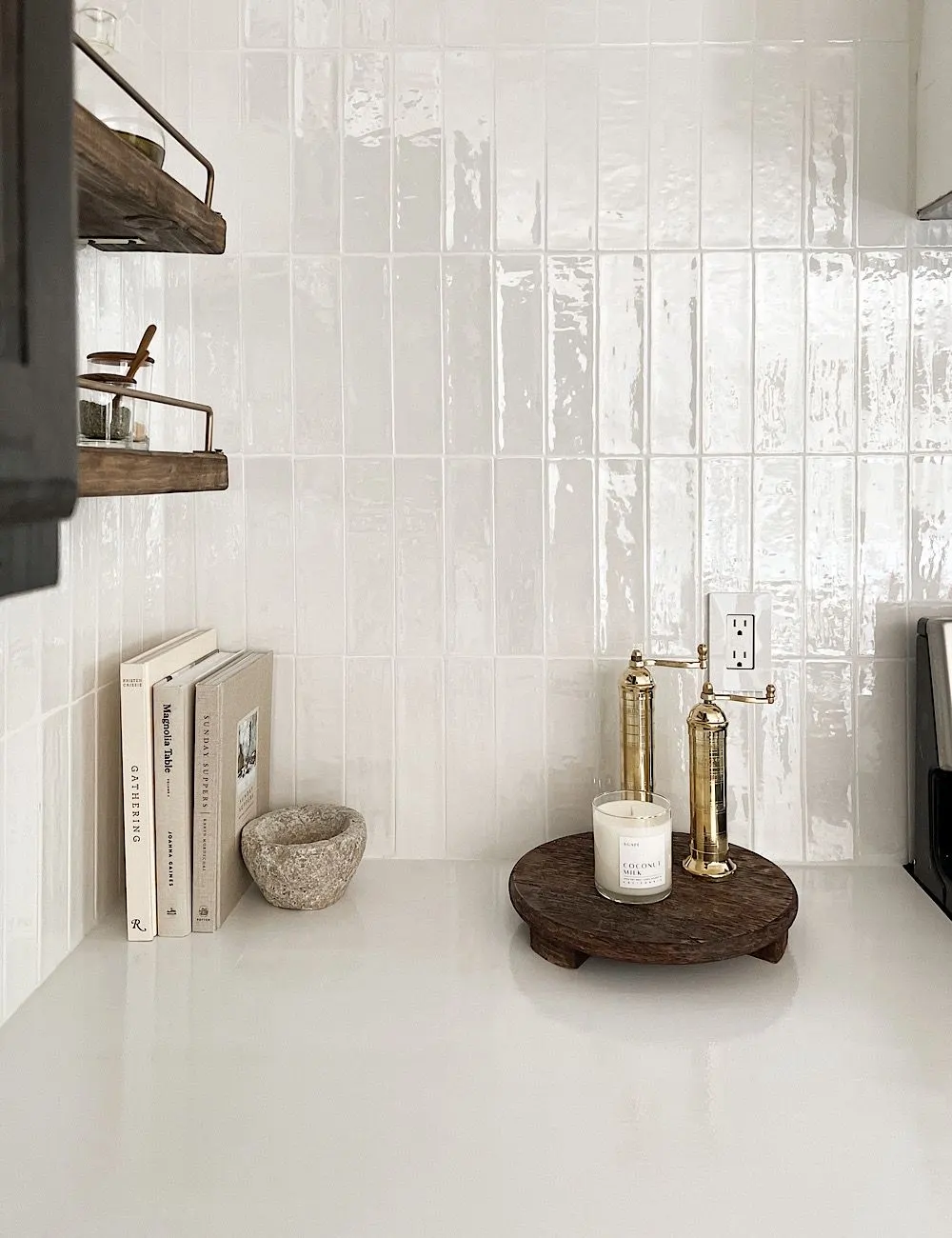
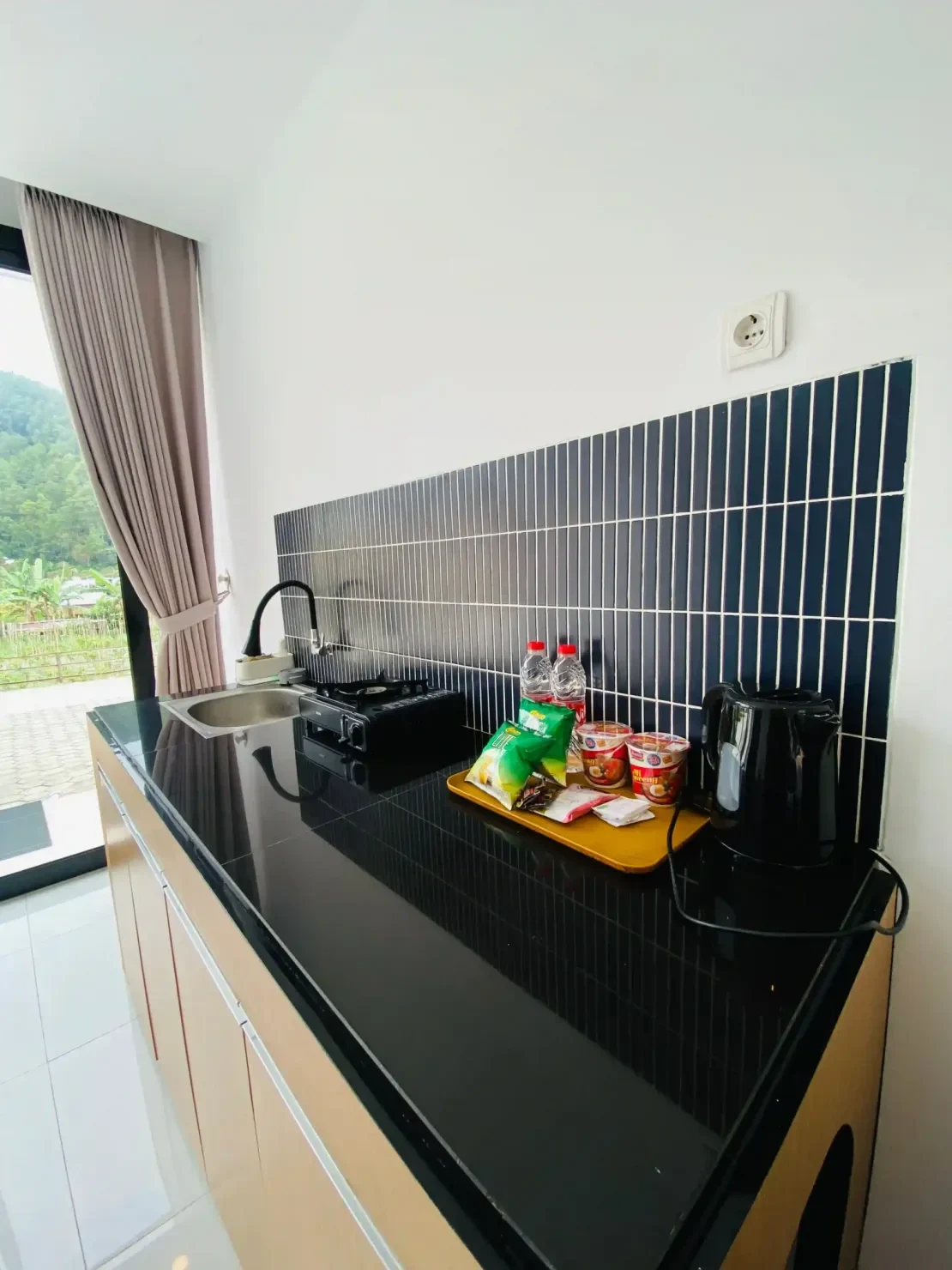
A tile installation job starts well before the first piece goes on the wall. The surface needs to be clean, flat, and properly primed. For wall tile, we check that the substrate can support the weight, especially with heavier natural stone or large-format porcelain. For backsplash applications, we remove switch plates and outlet covers, establish level reference lines, and plan the layout so that cut tiles land in inconspicuous spots.
One decision that affects the outcome more than most homeowners realize is the notch pattern on the trowel. A larger-format tile requires a larger V-notch or U-notch trowel to create enough mortar ridges for full coverage. Using the wrong trowel size is a common shortcut that leads to hollow spots and eventual failure. We match the trowel to the tile.
Grout joint width is another choice that shapes the finished look. Rectified tiles, which are machine-cut to precise dimensions, can go in with very tight joints (1/16 inch or smaller). Non-rectified tiles have more dimensional variation and need wider joints to absorb those differences. We discuss both options during the planning stage.
Materials We Work With
Installation Examples
Ready to talk through your project? Call us at (916) 282-7977 or send a request online.